By Lauren Walker, CMO of Coworks
Sensory office solutions offer a powerful way for coworking space operators and managers to better serve neurodivergent (or, as some affectionately call it, “neurospicy”—members.)
These solutions create an environment where all minds can thrive, not just by ticking boxes but by thoughtfully tuning the workspace to respect diverse sensory needs. The goal isn’t to design a one-size-fits-all “quiet zone” or flashy gadget room. It’s to build a balanced ecosystem where every person’s sensory wiring feels understood and supported, helping focus, creativity, and comfort flourish.
Sensory awareness is more than silence and dim lights
Imagine walking into an office buzzing with ringing phones, harsh fluorescent lights, chatter, and unpredictable noises. For many, this is just background noise to filter out. But for neurodivergent people—those with autism, ADHD, or sensory processing differences—such an environment can be overwhelming and exhausting, a real sensory siege. The solution isn’t simply quieter or darker.
Sensory-aware design requires layered, subtle calibrations.
- Control noise with soundproofing, acoustic panels, carpets, and white noise machines, not just by hollering “shhh.”
- Offer lighting options that include dimmable fixtures and natural daylight access. Harsh overhead lighting can be painfully intrusive.
- Provide flexible temperature and airflow controls to reduce discomfort that can heighten sensory sensitivity.
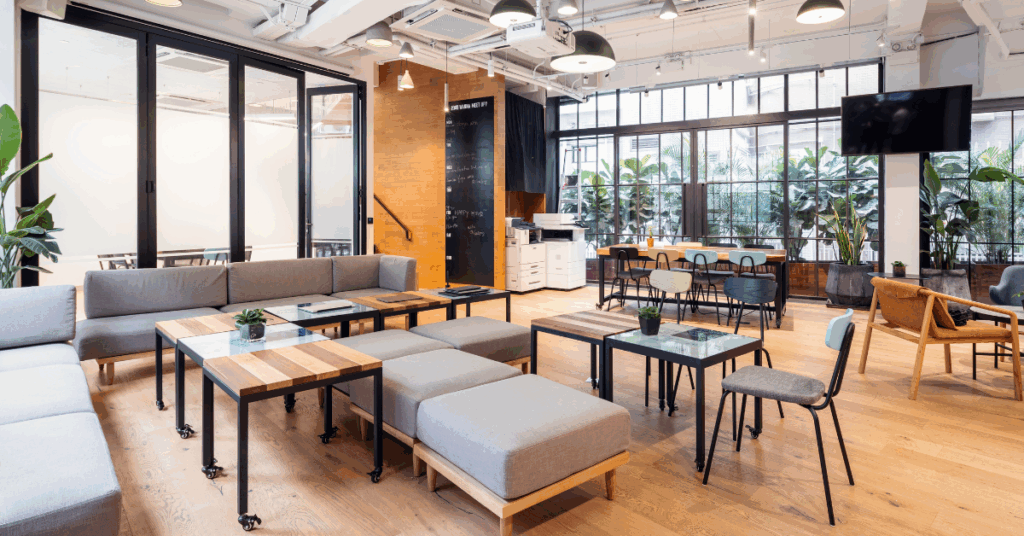
- Organize spaces with varied sensory tones—a quiet, dimly lit sanctuary for deep focus; medium-stimulation zones with plants for calm collaboration; lively communal spots where chatter and movement are energy.
Sensory-friendly design isn’t about muting the office into silence; it’s about crafting a sound and light landscape that people can engage with on their own terms.
Spaces that let people choose their vibe
One of the biggest gifts an office can give a neurodivergent member is choice.
Everyone’s sensory cup fills at a different rate. Some thrive in open spaces with natural light and gentle buzz. Others need retreat and seclusion. Operators can curate a mix of environments that fit that spectrum.
- Offer a range of seating: standard chairs, rocking seats, floor cushions, bean bags, and even stability balls. Movement and tactile engagement aren’t fidgets to ban but tools for focus.
- Sensory-zoned rooms allow people to pick their mood. Quiet pods, softly lit nooks, and vibrant lounges coexist.
- Allow customizable workstations where individuals can tweak lighting, add tactile objects, or arrange their desks to suit their sensory needs.
- Provide personal space with partitions or screens for those who feel intruded upon in open-plan designs.
This variety respects the natural ebb and flow of how different minds engage and recharge in the workspace—from focused solo work to collaborative bursts.
Furniture that speaks to the senses
Furniture isn’t just about aesthetics or ergonomics; it can actively support sensory well-being.
Adjustable desks and ergonomic chairs are foundational, letting individuals find physical comfort, whether sitting, standing, or shifting postures. But operators can go a step further by adding multi-sensory furniture elements:
- Textured surfaces invite tactile engagement, calming nerves.
- Furniture with vibrant or calming colors can positively influence mood.
- Interactive elements—like rocking chairs or sensory seating—offer controlled stimulation that helps regulate anxiety or boost concentration.
- Sound-insulated booths or pods provide cocooned quietude, shielding from office noise overload.
These choices aren’t “nice extras.” They directly impact focus, comfort, and productivity for neurodiverse individuals who experience sensory input differently.
Communication, culture, and technology tie it all together
Sensory-friendly design doesn’t exist in a vacuum. Operators and managers must also cultivate an environment of understanding and flexibility.
- Normalize variation by allowing flexible hours or 24/7 access for those who work better outside traditional times.
- Use clear signage to mark zones or signal when someone is in “deep focus” mode.
- Favor straightforward, dyslexia-friendly fonts and simple wayfinding that reduce cognitive load.
- Prepare assistive tech—noise-cancelling headphones, speech-to-text apps, adjustable screen readers—and keep them reliable and visible.
- Train staff on neurodiversity awareness so the culture embeds empathy, reducing the burden on neurodivergent members to explain their needs constantly.
- Announce social events or maintenance in advance so members can plan sensory and energy management accordingly.
This combined physical and cultural infrastructure helps everyone feel seen, safe, and valued.
Why it matters beyond inclusion
Investing in sensory office solutions isn’t just “nice” or a checkbox for diversity. It’s smart business. Neurodivergent individuals bring unique talent, creativity, and problem-solving ability. When environments respect how their brains work, productivity and innovation soar. Conversely, sensory overload leads to burnout, anxiety, and diminished focus.
Coworking spaces that embed sensory mindfulness differentiate themselves. They create communities where neuro-spicy members feel they belong and can truly do their best work. This ripple effect benefits all members, creating a more humane, attentive, and dynamic space.
Operators and managers: your role in the sensory revolution
You are the stewards of the workspace experience. You hold immense power to design not only the physical layout but the culture that supports diverse ways of being. Start small—introduce flexible seating, quiet zones, and adjustable lighting. Begin training your team on neurodiversity. Engage your members in conversations about their sensory needs.
Treat sensory design not as an afterthought but as an ongoing conversation that acknowledges the richness of all minds. Your space can be a sanctuary where neuro-spicy creativity and focus ignite, one sensory-friendly choice at a time.
Sensory office solutions are a gateway to unlocking the potential of every member in your coworking community. By designing environments with layered sensory options, flexible furniture, inclusive communication, and a culture of empathy, you write a new story—one where neurodiversity is honored, and everyone can shine.
Sources:
- https://aceofficesystems.com/blogs/news/office-furniture-solutions-for-neurodiverse-workforces
- https://blog.cobot.me/creating-neurodivergent-friendly-coworking-spaces-a-guide-for-coworking-spaces/
- https://enna.org/how-to-create-a-neurodiversity-friendly-office-environment/
- https://unify360.com.au/sensory-overload-is-real-how-to-design-neurodivergent-friendly-workspaces/
- https://hushoffice.com/en-us/neurodiverse-office-design-a-matter-of-sense/
- https://www.sensoryfriendly.net/coworking-space-design-make-it-sensory-friendly/
- https://bcinteriors.com/sensory-friendly-furniture/
- https://www.askamanager.org/2024/10/succeeding-at-work-if-youre-neurodivergent.html
- https://mindshift.works/sensory-accessibility-in-the-workplace/
- https://www.askamanager.org/2024/07/interviewer-mocked-my-speech-impediment-telling-coworkers-im-having-a-baby-unconventionally-and-more.html